Water seldom stops working silently. It hisses under the sink, seeps through ceiling plaster, or floodings a laundry with the dramatization of a busted washing maker hose pipe. When that happens in a Melbourne house, specifically after hours or throughout among those unexpected cold wave, the first person you think to call is the emergency situation plumbing. That is the appropriate reaction. Still, what you perform in the minutes before the plumbing technician arrives commonly makes a decision whether you wind up with a small repair work or a major insurance claim.
I have actually been on both sides of the scenario, as the individual wading through a hallway with towels and as the professional rolling up to a Brunswick balcony at midnight. Your homes here vary wildly, from post-war weatherboards in the north to Victorian-era balconies near the CBD to more recent estates on the edge. The pipes in these homes spans copper that has actually seen 50 years, early PVC with brittle joints, and contemporary PEX with crimped installations. The response, nevertheless, follows a functional logic that does not transform a lot from Coburg to Cranbourne. The goal is easy: quit the water, make the site risk-free, stabilise the damages, and gather the information that aid a plumber repair the trouble promptly.
The silent power of the water meter and isolation valves
The fastest method to slow down a catastrophe is to deprive it of water. In a lot of Melbourne homes, the major water meter and isolation tap rest at the front boundary near the road, often inside a rectangular plastic or metal pit with a lift-off lid. On older buildings it can be hidden under ground cover or yard beds, so it pays to know the location ahead of time. If you lease, your home manager ought to be able to inform you, yet a one-minute stroll along the front edge usually suffices. Lift the cover, brush off the spiders, and you ought to see a faucet or quarter-turn ball shutoff. Turn it clockwise up until it stops. If it feels obstructed, a little spanner or multi-grip pliers can aid, yet do not overforce an ancient valve. The goal is to quit or minimize flow quickly, not to shear off a handle.
Most residences in Melbourne also have device or fixture seclusion shutoffs. Look under sink basins, behind the toilet, and near the cleaning device. These tiny chrome or brass faucets isolate a solitary component. If the leakage is clearly from the adaptable tube on a toilet or sink mixer, closing that little valve can conserve you running to the road meter, specifically at night. On tank-and-pump setups common in semi-rural fringes, there will certainly be a different pump isolation shutoff and occasionally a power factor switch regulating the pump. Switching off the pump can promptly quit an internal flood from a tank-fed line. These information alter residence to home, yet the concept holds.
For warm water especially, the unit's chilly inlet shutoff is your pal. Most gas storage space systems have a lever or faucet on the cold line entering the container. Closing it separates warm water flow without robbing the remainder of the residence, a helpful technique when a warm pipeline ruptureds under a washroom floor. If you have a continual circulation gas system placed outside, the isolation tap is typically appropriate under the housing. For electrical storage units, you can additionally turn off the devoted circuit at the switchboard after switching off the inlet valve, which safeguards the component if the container is compromised.
Safety initially, specifically with gas, electricity, and ceiling damage
Plumbing emergency situations do not confine themselves to water. They invite in their harmful companions: electrical power and gas. If water has actually gotten to light fittings, power points, or the switchboard, deal with the location as dangerous. If you see active dripping from a ceiling near a light, do not touch switches. Most likely to the main switchboard and turn off the pertinent circuit, or if unsure, power off the entire home. The aggravation of darkness defeats the risk of a shock. LED downlights in modern restorations frequently have little intermediaries that imitate drains in a flooding, so seeing a drip from a light is not uncommon. It is a warning flag.
Ceilings are a particular concern. Plasterboard sags under tons, and insulation batts get heavy when saturated. If you see a pronounced bulge, clear the room beneath it and keep individuals and pet dogs away. Stand up to the urge to jab holes without assistance. In some cases, a regulated release can save a collapse, but that choice must be taken with care. I have seen anxious DIYers punch a hole, just to bring down a square metre of bloated plaster and a ceiling packed with moist insulation. If you should soothe pressure and can not reach a plumbing professional quickly, shield the floor with a container or container, wear safety glasses, and stand sideways while gently piercing the most affordable point of the lump. Better yet, call your plumber, explain the droop, and take their advice.
Gas brings another set of rules. If you smell gas or listen to a hiss near a hot water heater or kitchen area appliance, open home windows, do not run electrical switches, and turn off the gas at the meter. In Melbourne, the gas meter is usually at the front or side of your house with a quarter-turn valve on the incoming pipeline. Rotate the deal with so it is vertical to the pipeline to close it. Then leave the premises and wait for expert assistance. A damp gas control valve on an outside warm water device, for instance, can fall short in unusual methods after heavy motoring rain and wind, especially on systems set up without adequate shielding.
Contain the water, safeguard surfaces, and keep air moving
Once the water is no more flowing openly, shift your emphasis to control. Towels, old sheets, and pails are still the most reliable first tools. Raise soft home furnishings and rugs out of the wet area. Relocate electronics to high ground. Draw back drapes and blinds that wick water onto wood sills. If water has merged on a wood or crafted flooring, skim it off quickly to avoid cupping. Ceramic tile cement lines will certainly hold pools that sneak under skirtings, so a flooring squeegee or even a dustpan utilized as an inside story works in a pinch.
Open doors and windows when weather condition permits. Melbourne's climate aids right here. Also on a great day, relocating air rates evaporation and minimizes mildewy smells. If you have pedestal followers, aim them throughout, not directly at, the damp area to prevent driving wetness into spaces. A small dehumidifier gains its maintain after a leak in a bedroom or hallway. Run it constantly with doors shut. Vacant the storage tank often, or much better, connect a drainpipe pipe into a close-by sink.
Be conscious of what you can not see. Water takes the path of least resistance. A leakage in an upstairs ensuite might show up as a discolor in a downstairs hallway, away from the obvious resource. Trace leaks along cornices and down studs. If you can safely lift a corner of carpeting, inspect the padding and the subfloor near skirtings. Wet rug really feels great to the touch. Propping rug with little blocks and flowing air can wait, yet badly saturated padding typically requires substitute. If you rent out, document everything with time-stamped pictures and inform your agent quickly. Landlords and insurance companies in Victoria usually anticipate quick mitigation actions from tenants.
Toilets, drains pipes, and the messy business of blockages
Not all emergencies gush from a pressurised line. A blocked bathroom on a Saturday evening can bring a family to a grinding halt. If the dish threatens to overflow, do not maintain flushing. Lift the tank lid and wedge the float up or turn off the isolation tap behind the bathroom. Provide the water degree time to go down. A top quality plunger with a folding flange frequently gets rid of basic obstructions. Hold a firm seal and utilize constant, regulated strokes. Keep towels handy. If you see water climbing in a close-by flooring drainpipe or shower when you run a sink, the clog may be in the main sewage system line, not the commode. In older suburbs with big aircraft trees, origins enjoy to locate their method into clay piping. When you observe slow drains pipes across your home, quit using water read this plumbing article on maintenance up until a plumbing professional can get rid of the line with a jetter or an auger.
Sewerage backflow positions a health danger. Contain it and keep youngsters and animals away. If wastewater has actually gone into a carpet location, expect a two-part feedback: immediate cleansing and later remediation. Domestic-grade disinfection assists on hard surfaces, yet rugs and underlay revealed to wastewater often require expert treatment or substitute. That is as much concerning smell and bacteria as it has to do with insurance policy standards.
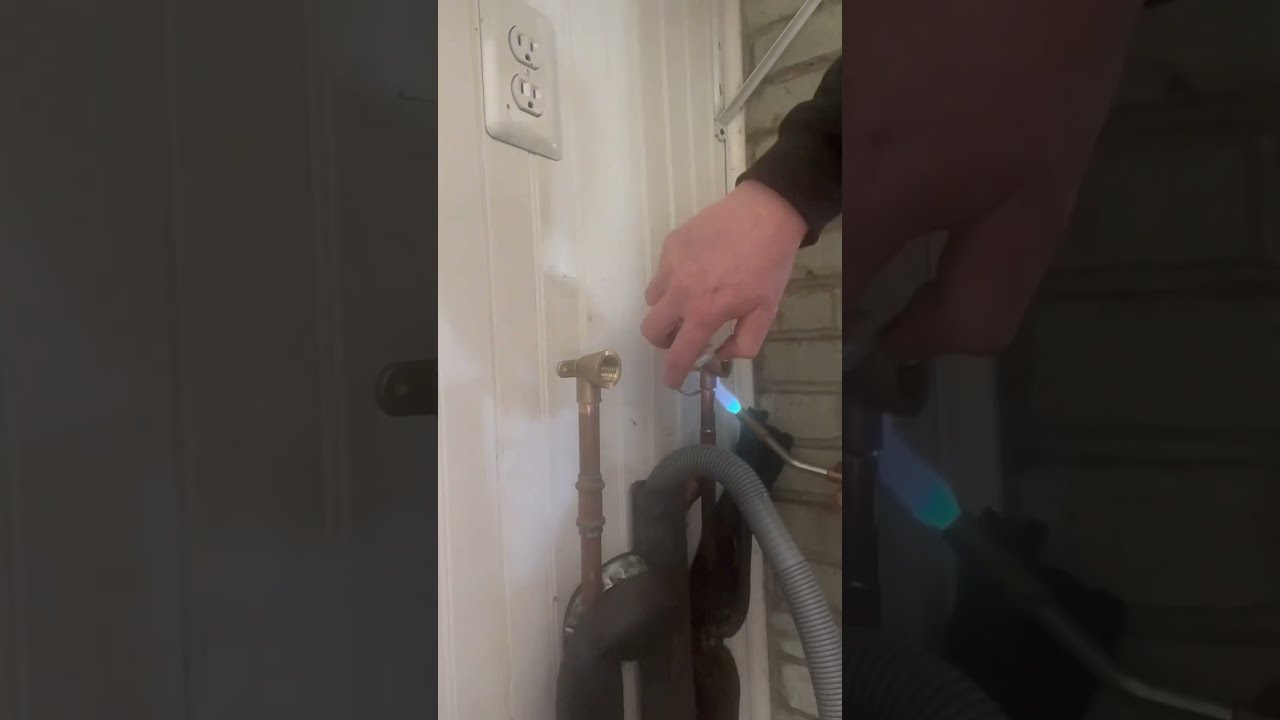
Stormwater behaves in a different way again. After a rainstorm, water might surge out of downpipes or bubble up from yard drains pipes. That normally indicates blocked stormwater lines or overwhelmed seamless gutters. If you can securely check rain gutters after the rain has passed, clear silt and leaves from the nearest downpipe entrance. Do not climb a glossy roofing system. From ground degree, downpipe inspection caps can sometimes be removed to relieve pressure. In securely packed terrace rows in inner Melbourne, shared limit stormwater runs can complicate the photo, and you may require a camera examination later on to discover drooped areas or root intrusion.
When the hot water fails, triage the essentials
A cold shower on a winter months early morning makes the warm water unit top concern. The feedback relies on the system. Gas storage units that quit generating warm water may have a failed thermocouple, a pilot light that will not hold, or a temperature level relief valve that is stuck. Before the plumbing arrives, check for noticeable signs: water trickling continuously from the relief line, a pilot light out, or a flooded burner tray. If you see water merging under a container, shut off the cold inlet and, if risk-free to do so, the gas supply at the system. On continual flow units, note any type of mistake codes on the display screen. Write them down or break an image. That information increases diagnosis.
Electric storage space systems include an electrical layer. If you have no hot water and the device has power off at the switchboard, do not switch it back on if you suspect a leak. On tariff-controlled units, power might just be supplied off-peak, so a cold container at 6 pm may merely not have actually had time to reheat if the circuit tripped earlier. As a temporary action, a kettle and a pail can generate a warm sink full for washing meals. It is not attractive, yet it maintains a family operating for a night.
What to tell the plumbing technician for a quicker fix
Good interaction conserves time on site. When you call, be ready with the house address, whether the meter tap is accessible, and a clear description of signs. Inform them if you switched off the primary, separated a fixture, or powered off a circuit. Mention the age of your home if you recognize it, or at least whether the plumbing you can see is copper, PVC, or PEX. If you have had previous obstructions or leakages in the same place, state so. In lots of Melbourne homes, there is a repeat culprit: a flexi pipe under a vanity that protruded for months, a rain gutter that overruns in south-westerlies, or an old galvanised branch line that clogs every winter.
Photos help. A quick shot of the leaking pipeline, the brand name and design of the hot water unit, or the water meter place informs a plumbing technician what installations and parts to pack. If you are handling an insurance policy event, ask the plumber for a composed record and maintain receipts for drying out equipment or short-lived accommodation if your home is partly uninhabitable.
Dealing with after-hours facts in Melbourne, VIC
Emergency callouts carry a premium. That is reasonable when you consider the traveling, the logistics, and the fact that components distributors may be shut late at night. A useful way of thinking keeps costs sensible. At 11 pm, the smart relocation is to make your house secure and include the problem, then book a complete fixing in regular hours when components are easily offered. I have actually installed momentary caps on ruptured lines in South Yarra at midnight, after that returned in daytime to replace an area of pipe and pressure test the run properly.
Geography plays a role. Plumbing technicians in the west might have a long run to the Mornington Peninsula on a damp Friday. Dispatchers triage based on distance and intensity. A ceiling collapse or an energetic gas leak jumps the line. A leak that is had by shutting off a fixture might wait up until early morning. Be clear about your circumstance and resistance for short-term steps. Family members without second toilet or a solitary restroom may desire prompt aid. A pair comfortable waiting can conserve a callout charge by holding limited with the water isolated overnight.
The rough composition of usual emergency situations in Melbourne houses
Burst flexible hoses under sinks and containers lead the tally. These braided stainless hose pipes sometimes rust where they bend, especially in beachside suburban areas with salt airborne. Seek minor bulging or rust tea-stains on the braiding. If one stops working, consider pre-emptive replacement of all flexi hose pipes in the house. It is not a pricey job, and it removes a recognized risk.
Old copper pinholes are next. Copper lasts decades, yet water chemistry and stray electric currents can eat it from the inside. In homes with restorations carried out in stages, old copper could connect to new PEX with brass fittings that create subtle galvanic activity. You will see a fine spray or an eco-friendly discolor on the pipe. The instant solution is a cut-out and new area. The long-term solution may involve pressure testing the branch and, in many cases, repiping to eliminate areas that are stopping working in series.
Roof leakages add seasonal drama. In Melbourne, northerly winds can drive rainfall up under ceramic tiles or into blinking that generally drops water. The signs are similar to a plumbing leak: discoloration on ceilings, leaks out of downlights. Prior to you charge the upstairs washroom, consider the weather condition. If a leak provides just throughout wind-driven rainfall, you might be considering a roofing system or flashing problem rather than a water supply line. Plumbings and roofers share this boundary. An excellent plumbing technician will inform you when the ideal trade is a roofing system specialist.
Blocked sewage systems, specifically in streets lined with fully grown trees, are a rhythm of the year. Root growth surges in springtime. I have drawn floor coverings of roots from clay pipelines in Kew that looked like wigs. Short-term, a jetter removes the line. Lasting, a partial reline or substitute with PVC stops the cycle. Cams offer proof and assist with insurance policy or water authority inquiries when shared links are involved.
Working with insurers, landlords, and body corporates
If you have the house, your home insurance coverage generally covers sudden water damages from burst pipelines, not constantly the pipeline fixing itself. Policies vary, so read your item disclosure declaration. Insurance companies desire you to reduce damages. That indicates turning off water, wiping up, and starting drying immediately. Take pictures early and often. If tiles stood out off a wall surface or a ceiling swelled, record it prior to short-lived repairs.
Renters need to alert the representative or property manager promptly. In Victoria, immediate fixings include a burst water solution, severe roof leakages, or obstructed toilets in a one-toilet residential property. Landlords have obligations to respond quickly. Maintain records of contact and actions taken. Tenants are anticipated to take reasonable actions to prevent further damages, for example by shutting off water at the meter.
In apartments and townhouses with owners firms, plumbing lines can go across the border between lot and usual residential property. A leakage in a riser could be the obligation of the owners company. If water is entering your device from above, get in touch with structure monitoring in addition to a plumber. Access to plant rooms often requires a building key, so coordination matters. The most effective result occurs when the plumbing professional and the structure supervisor swap keeps in mind early.
Tools and materials worth keeping in a Melbourne home
Melbourne houses prepare for bushfire smoke, heatwaves, and power interruptions. A tiny plumbing package rests pleasantly on that particular same shelf. It does not require to be fancy. A pair of multi-grip pliers, a roll of high quality PTFE thread tape, a flashlight or headlamp, nitrile gloves, a strong container, and a pack of old towels make a huge distinction at 2 am. Add an inconspicuous adjustable spanner and a fundamental cup plunger. If your home relies on a rainwater container and pump, maintain an extra pump fuse and understand where the pump switch lies. Tape a basic diagram of the water meter and seclusion valves inside a cooking area cupboard. If you take a trip, reveal a neighbour or house-sitter where to locate them. Water troubles do not wait on you to come home.
When to quit and wait
Sometimes the bravest action is to do less. If a pipe is actively leaking inside a wall surface cavity and closing the main has stopped it, resist the temptation to open up the wall arbitrarily. Plumbings bring moisture meters and, much more notably, the experience to select the accurate cut that saves time later on. If you are managing a hot water unit that is tripping power, leave it off. Repeated resets can do more injury. If a ceiling looks perilous, keep people away and call for instant aid rather than experimenting.
There is also a psychological dimension. Water damage rattles individuals. I have strolled into homes where the owner is apologising to the rug while they wipe in circles. Breathe. Prioritise safety and security, stop the water, and make a prepare for the next hour, not the following week. A clear head and a couple of purposeful actions will certainly do greater than frantic motion.
A useful, brief list to utilize in the moment
- Stop or reduce the circulation: switch off the fixture seclusion shutoff, the warm water inlet, or the main meter at the street. Make it risk-free: cut power to damp circuits at the switchboard, ventilate, and keep clear of drooping ceilings. Contain and secure: use towels and containers, lift prized possessions, and maintain air relocating to begin drying. Communicate clearly: call the plumbing professional with pictures, the meter location, and an ordinary summary of what you did. Document for later on: take time-stamped pictures for insurance coverage or your property owner, and keep invoices for mitigation costs.
After the emergency: drying out, fixings, and the better future-proofing
The hour after a plumber leaves is not the end of the story. Drying is an active process. If an area was soaked, think about employing a couple of air moving companies and a dehumidifier for two or 3 days. It is common in Melbourne for drying equipment to be available from local hire shops, and the cost is commonly recoverable under insurance coverage when the event was sudden and unexpected. Keep interior doors open when evaporating an entire flooring, or close the room if you intend to create a microclimate for faster drying. Check moisture under skirtings over numerous days. A moldy odor that sticks around usually means something is still damp.
Repairs must go for toughness, not just aesthetic appeals. If a flexi pipe stopped working, change all similar hose pipes in the house, not simply the one that burst. If recurring blockages pester an older sewer line, timetable a video camera inspection and review choices like spot lining or organized substitute. If roof leaks took place in wind-driven rain, have a roofing professional check blinking and directing, not simply reseal the evident area. In heritage balconies, old lead flashing occasionally shrinks and fractures with temperature swings. Re-formed flashing and appropriate upstands handle the problems much better than duplicated beadings of silicone.
Consider tiny upgrades that spend for themselves. Water hammer arrestors tame pipeline shock in houses where sudden shutoff closures rattle old copper. Stainless steel entwined pipes with top quality certification and appropriate size lower pressure at faucets. A basic wise leak detector under a warm water device or sink sends out an alert to your phone at the initial drip, which can save a floorboard or two while you are out.
Finally, share the understanding in your family. Show every grownup and older teen where the meter is and just how to turn off the water. Tag the shutoffs that matter. Melbourne's real estate supply shows you something brand-new yearly. The very best prep work is not a toolbox loaded with exotic parts. It is a calm series of actions, a fundamental understanding of your house's pipes, and the discipline to act rapidly when water does what it does: discover a way out.
With the best relocate those initial minutes, most emergency pipes circumstances in Melbourne, VIC, become convenient. You safeguard your house, you make it secure for the plumber to function, and you turn a situation into a repair service. That is an excellent night's work, also if you need to finish it with a cool favorite and a flooring filled with read these plumbing tips fans humming the house back to normal.